多皆事实
| 區 | 26.3 km² |
| 人口 | 5,628 |
| 男性人口 | 2,830 (50.3%) |
| 女性人口 | 2,798 (49.7%) |
| 人口变化(1975 to 2020) | +20.4% |
| 人口变化(2000 to 2020) | -5.9% |
| 年齡中位數 | 27.8岁 (男:27,女:28.5) |
| 人均GDP(購買力平價) | $17,755 (2022) |
| 當地時間 | |
| 時區 | 马来西亚时间 |
| 經度與緯度 | 6.02867, 100.40691 |
多皆的地圖
互動地圖
多皆的人口
1975年至2030年
| Data | 1975 | 1990 | 2000 | 2015 | 2020 | 2025* | 2030* |
|---|---|---|---|---|---|---|---|
| 人口 | 4,675 | 5,457 | 5,984 | 5,892 | 5,628 | 5,534 | 5,582 |
| 人口密度 | 177.7 / km² | 207.4 / km² | 227.4 / km² | 223.9 / km² | 213.9 / km² | 210.3 / km² | 212.1 / km² |
* 预测
来源: JRC (European Commission's Joint Research Centre) 工作于 GHS built-up grid多皆从2000年到2020年的人口变化
从2000年到2020年下降了5.9%
| 位置 | 自1975以来的变化 | 自1990以来的变化 | 自2000以来的变化 |
|---|---|---|---|
| 多皆 | +20.4% | +3.1% | -5.9% |
| 吉打 | — | — | — |
| 马来西亚 | — | — | — |
来源: JRC (European Commission's Joint Research Centre) 工作于 GHS built-up grid
多皆的中位年龄
中位年龄:27.8岁
| 位置 | 年齡中位數 | 中位年齡(女) | 中位年齡(男) |
|---|---|---|---|
| 多皆 | 27.8 yrs | 28.5 yrs | 27 yrs |
| 吉打 | 25.5 yrs | 26.1 yrs | 25.1 yrs |
| 马来西亚 | 25.7 yrs | 25.7 yrs | 25.8 yrs |
来源: CIESIN (Center for International Earth Science Information Network)
多皆的人口密度
人口密度:214 / km²
| 位置 | 人口 | 區 | 密度 |
|---|---|---|---|
| 多皆 | 5,628 | 26.3 km² | 214 / km² |
| 吉打 | 2 million | 9,465.1 km² | 216 / km² |
| 马来西亚 | 29.6 million | 329,840.2 km² | 89.7 / km² |
来源: JRC (European Commission's Joint Research Centre) 工作于 GHS built-up grid
多皆的历史和预测人口
从1600到2100的估计人口
来源:
- JRC (European Commission's Joint Research Centre) 工作于 GHS built-up grid
- CIESIN (Center for International Earth Science Information Network)
- [鏈接] Klein Goldewijk, K., Beusen, A., Doelman, J., and Stehfest, E.: Anthropogenic land use estimates for the Holocene – HYDE 3.2, Earth Syst. Sci. Data, 9, 927–953, https://doi.org/10.5194/essd-9-927-2017, 2017.
人類發展指數(HDI)
預期壽命,教育程度和人均收入的統計綜合指數。
来源: [鏈接] Kummu, M., Taka, M. &Guillaume, J. Gridded global datasets for Gross Domestic Product and Human Development Index over 1990–2015. Sci Data 5, 180004 (2018) doi:10.1038/sdata.2018.4
多皆的國內生產毛額(GDP)
人均GDP,購買力平價(2017年不變國際元)
| Data | 1990 | 1995 | 2000 | 2005 | 2010 | 2015 | 2020 | 2022 |
|---|---|---|---|---|---|---|---|---|
| 人均GDP | $8,751 | $11,206 | $11,786 | $11,777 | $13,066 | $14,249 | $15,954 | $17,755 |
| GDP總量 | $4.5亿 | $6.2亿 | $6.6亿 | $7.2亿 | $8.6亿 | $10亿 | $11.9亿 | $13.3亿 |
来源: [鏈接] Kummu, M., Kosonen, M. & Masoumzadeh Sayyar, S. Downscaled gridded global dataset for gross domestic product (GDP) per capita PPP over 1990–2022. Sci Data 12, 178 (2025) doi:10.1038/s41597-025-04487-x
多皆的CO2排放
每年人均二氧化碳(CO2)排放量(噸)
| 位置 | 二氧化碳排放量 | 人均二氧化碳排放量 | 二氧化碳排放強度 |
|---|---|---|---|
| 多皆 | 35,097 tn | 6.24 tn | 1,333.8 tons/km² |
| 吉打 | 12,649,101 tn | 6.18 tn | 1,336.4 tons/km² |
| 马来西亚 | 198,593,412 tn | 6.71 tn | 602.1 tons/km² |
来源: [鏈接] Moran, D., Kanemoto K; Jiborn, M., Wood, R., Többen, J., and Seto, K.C. (2018) Carbon footprints of 13,000 cities. Environmental Research Letters DOI: 10.1088/1748-9326/aac72a
多皆的CO2排放
| 2013年CO2排放量(吨/年) | 35,097 tn |
| 2013年人均CO2排放量(吨/年) | 6.24 tn |
| 2013年CO2排放强度(吨/km²/年) | 1,333.8 tons/km² |
自然災害風險
相對風險(滿分10分)
| 危险 | 风险级别 |
|---|---|
| 洪水 | 高 (10) |
| 地震 | 低 (2) |
*風險可能並不涉及整個地區,尤其是洪水或山體滑坡。
来源:
- Dilley, M., R.S. Chen, U. Deichmann, A.L. Lerner-Lam, M. Arnold, J. Agwe, P. Buys, O. Kjekstad, B. Lyon, and G. Yetman. 2005. Natural Disaster Hotspots: A Global Risk Analysis. Washington, D.C.: World Bank. https://doi.org/10.1596/0-8213-5930-4.
- Center for Hazards and Risk Research - CHRR - Columbia University, Center for International Earth Science Information Network - CIESIN - Columbia University. 2005. Global Flood Hazard Frequency and Distribution. Palisades, NY: NASA Socioeconomic Data and Applications Center (SEDAC). https://doi.org/10.7927/H4668B3D.
- Center for Hazards and Risk Research - CHRR - Columbia University, Center for International Earth Science Information Network - CIESIN - Columbia University. 2005. Global Earthquake Hazard Distribution - Peak Ground Acceleration. Palisades, NY: NASA Socioeconomic Data and Applications Center (SEDAC). https://doi.org/10.7927/H4BZ63ZS.
多皆
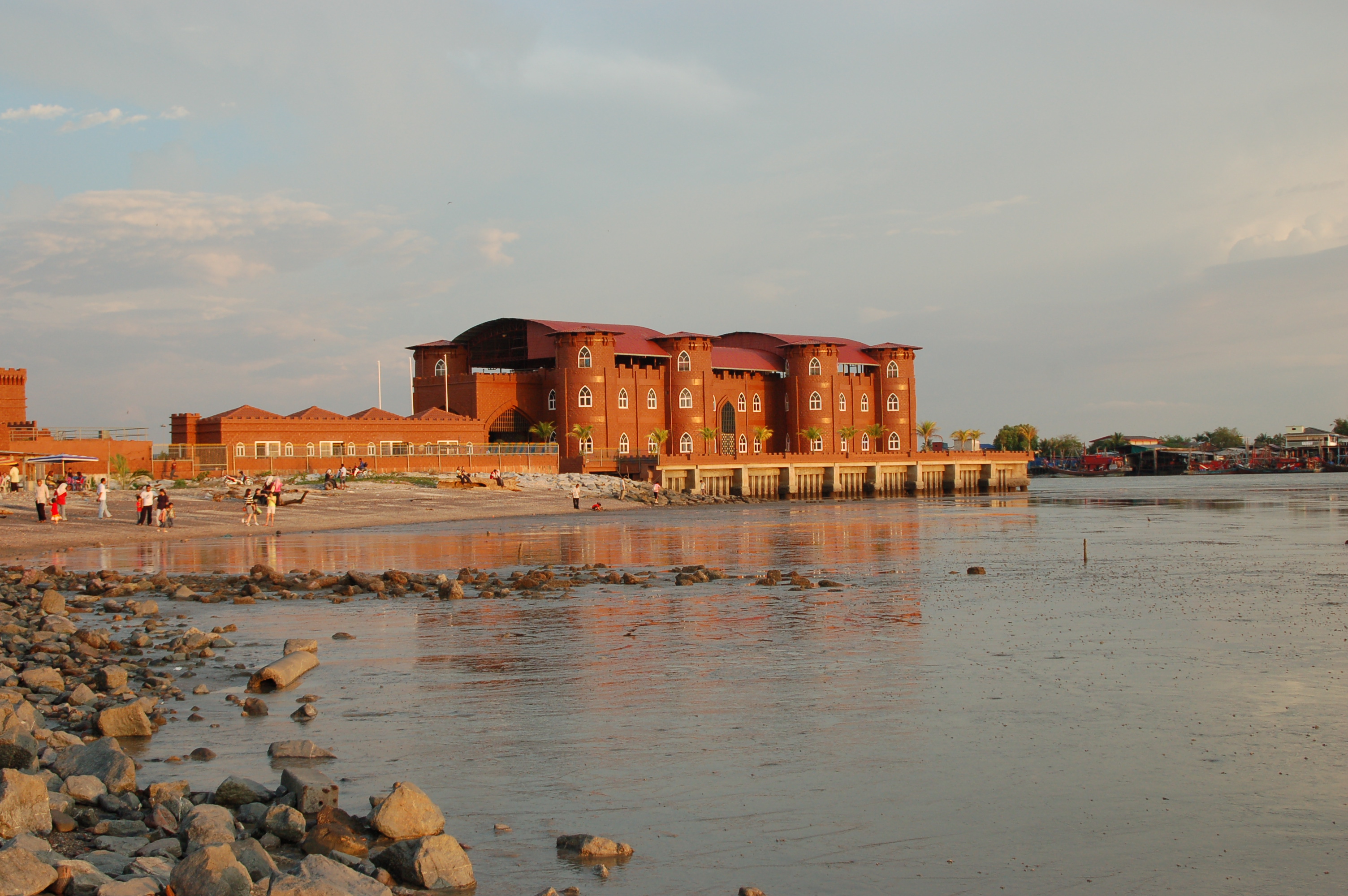
(马来文:Tokai), 是马来西亚吉打州(马来文:Kedah)的一个小镇,属于本同县(马来文:Pendang),人口约3万,多皆镇距离首府亚罗士打城市(马来文:Alor Setar)约15公里。
多皆 Wikipedia頁面
關於我們的數據
本页面上的数据是使用许多公开可用的工具和资源估算的。它不附带任何担保,可能包含不准确之处。使用风险自负。